

BEGAJ
DENT
What we need to know about periodic dental checkups
Although most of us know what we need to do to keep our health intact, in today’s increasingly busy society, it can often be difficult to maintain balance. Oral health, arguably one of the most important aspects of overall health, tends to be an area that is easily overlooked. This consideration is especially true in relation to regular dental checkups. Routine dental checkups are the most effective way to identify and prevent oral abnormalities. However, many people neglect the benefits of routine oral examinations or feel anxious because they do not know what to expect during a typical dental examination. Here's what you can expect in your full dental examination.

Why should you do regular dental checkups?
When the word dentist is mentioned, most people think of pain, drilling and complex invasive dental procedures. As a result, many people visit the dentist only when they feel pain, or think something is wrong, both of which can be avoided with regular oral care. Regular visits to the dentist will help in the early diagnosis of a problem and may prevent the need for these invasive dental procedures.
Some of the issues that can be detected early during a dental checkup include tooth decay, cavities, gum disease and oral cancer. Identifying and treating these problems early enough not only increases the chances of successful treatment, but also helps save a lot of money in the long run.
How often should you have a dental check-up?
Generally, for people with a healthy mouth, dentists recommend their patients to visit them every six months. For patients with certain oral risks, and those with high risk factors for periodontal disease, dentists often recommend more frequent visits to address these specific issues. Simply put, the frequency of your visits to the dentist will depend on how healthy your gums and teeth are and the potential risk for future problems.


+355 0692107557 / + 355 0692056786


What to expect in a routine dental checkup?
Your dental checkup will be performed by a general dentist, along with the help of one or more assistants if necessary. A routine dental checkup includes:
1. Medical history of the patient
Once you enter your dentist’s office, the dentist will ask you some questions that will help him or her find out more about your oral health. You will be asked to provide information about the medications you are currently taking, allergies and whether you smoke or consume alcohol. The dentist should ask if you have any medical conditions for which you are being treated. Once you have answered all of these questions, your dentist may ask you about your previous dental treatment procedures, surgeries, and experience with anesthesia.
2. Mouth control
After gathering all the necessary information, the dentist will move on to the second step, which includes a thorough examination of the teeth, gums, jaw and supporting structures. Many health problems can also be identified by the dentist. able to control oral cancer, assess the risk of periodontitis and often distinguish signs of medical problems such as diabetes and kidney problems. Recommendations for changing the home care regime can also be given.
3.Dental graphs
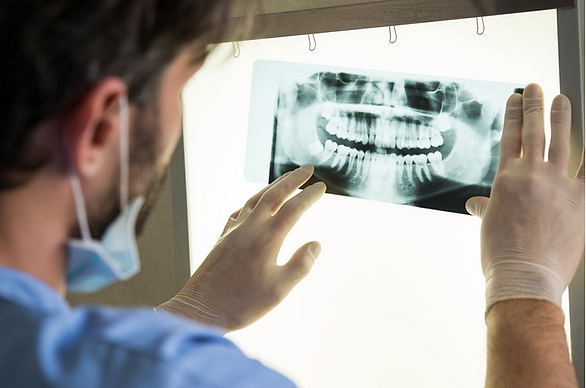
Dental graphs are essential and are commonly used to detect dental abnormalities that are not visible to the naked eye. The dentist will ask you to perform a complete oral x-ray or as it is otherwise called panoramex which gives a clearer picture of your condition and will serve for subsequent visits. Graffiti is not usually required at every dental checkup. Although exposure to X-rays is low, you should talk to your dentist if you have concerns about radiation exposure.
4. Oral cancer control
The growing number of oral cancer cases has pushed many dentists to include during dental checkup and oral cancer screening. Oral cancer is a serious problem and can manifest in different ways. If not detected early, oral cancer can spread quickly and become life-threatening. However, an early diagnosis of oral cancer is often helpful as it is easily curable. Dentists at this time are highly trained to detect early signs and the likelihood of detecting the disease in time is much higher. Your dentist will examine the area around your jaw and also the soft tissue in your mouth for signs of oral cancer.
5. Recommendations and tips
At the end of the visit each patient is given a full diagnosis of the problems he may have, detailed and personalized treatment as well as a calculation of the financial cost which fits the patient's budget.
BEGAJ
DENT

BEGAJ DENT CLINIC
The main goal of the Begaj Dent Clinic is to promote oral health
In your service
Monday-Friday - 09:00 - 18:30
Saturday - 11:00 - 17:00
Sunday - Closed

